
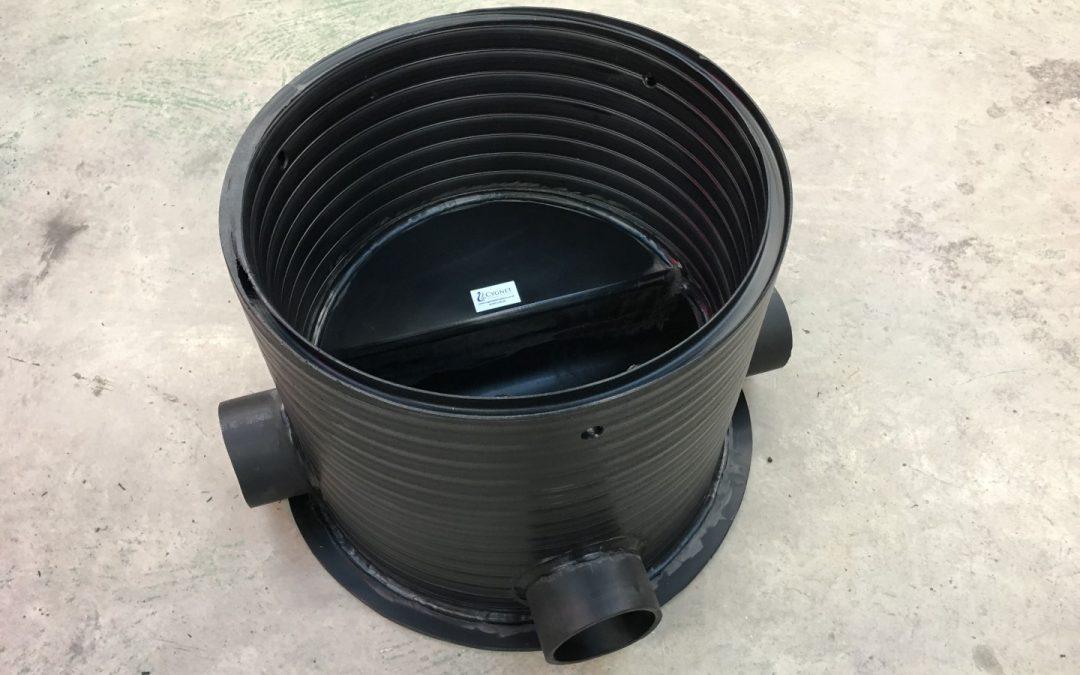
Plastic catchpits are becoming an increasingly popular choice in modern drainage systems—and for good reason. Whether you’re working on a residential project or a large-scale commercial development, they offer a range of practical and cost-effective advantages. Here are ten key benefits of using plastic catchpits for drainage.
First, plastic catchpits are lightweight, making them far easier to transport and install compared to traditional concrete alternatives. This reduces labour costs and speeds up project timelines. Second, they are highly durable and corrosion-resistant, ensuring long-term performance even in harsh underground conditions.
Third, plastic catchpits are cost-effective. Not only are they typically cheaper to purchase, but the reduced installation time also lowers overall project expenses. Fourth, they offer excellent watertightness, helping to prevent leaks and groundwater contamination—an important factor for environmental protection.
Fifth, design flexibility is a major advantage. Plastic catchpits come in various sizes and configurations, making them suitable for a wide range of drainage systems. Sixth, they are easy to cut and modify on-site, allowing for quick adjustments during installation.
Seventh, plastic catchpits require minimal maintenance. Their smooth internal surfaces reduce the likelihood of blockages, ensuring efficient water flow. Eighth, they are resistant to chemicals commonly found in wastewater and surface runoff, which enhances their longevity.
Ninth, sustainability is another key benefit. Many plastic catchpits are made from recyclable materials, contributing to environmentally friendly construction practices. Finally, their consistent manufacturing quality ensures reliable performance, unlike traditional materials that may vary in strength and finish.
In summary, plastic catchpits provide a modern, efficient, and economical solution for drainage systems. Their combination of durability, ease of installation, and environmental benefits makes them an excellent choice for both contractors and property owners looking to improve drainage performance while keeping costs under control.